





As Nigeria marked 27 years of uninterrupted democratic governance, the Nigerian Government has reaffirmed its commitment to deepening democracy, strengthening institutions and promoting national cohesion.
This was revealed during a Democracy Day Public Lecture in Abuja where stakeholders and policy experts discussed the country’s democratic journey, achievements, challenges and future prospects.
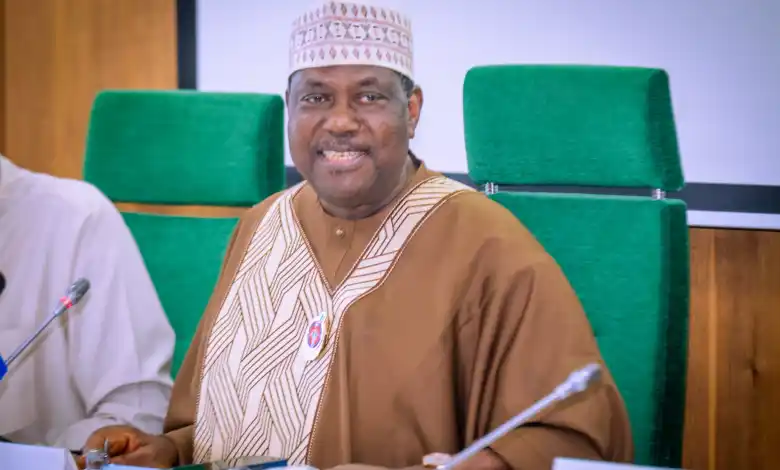
The Secretary to the Government of the Federation (SGF), Senator George Akume, who represented Nigeria’s Vice President Kashim Shettima, said the occasion offered Nigerians an opportunity to celebrate democratic gains while critically assessing the nation’s progress since the return to civil rule in 1999.
Speaking on Nigeria’s democratic journey, he said it has been resilience and determination despite many challenges.
“Since 29 May 1999, Nigeria has made a decisive return to democratic governance. “The key lesson from this journey is that it has been one of resilience and determination,” he revealed.
He said the development was evidence of the growing maturity of Nigeria’s democracy as the country had successfully conducted eight successive general elections and witnessed peaceful transfers of power across political parties and regions.
“The gains of democracy, especially the freedom of choice to vote and be voted for, are still invaluable. We must continue to strengthen our institutions and make sure that democracy delivers tangible benefits to all Nigerians, he noted.
The SGF also emphasized the need for national unity and warned against ethnic, religious and regional divisions.
“We must not let ethnic, religious or regional fault lines undermine the foundations of our democracy. “National cohesion is essential to our survival and development as a democracy.”
The Director-General of the National Institute for Policy and Strategic Studies (NIPSS), Professor Ayo Omotayo, who delivered the keynote lecture, titled ‘Twenty-Seven Years of Democratic Governance in Nigeria: Achievements, Challenges and the Road Ahead,’ described June 12 as a defining moment in the country’s democratic history. As we pay tribute to the heroes of the June 12 struggle, especially the late Chief M.K.O. Abiola and other pro-democracy activists who made sacrifices for the restoration of democratic governance.
“Democracy Day is not just a holiday. It is a solemn reminder of the sacrifices made by courageous Nigerians who believed that the destiny of this nation should be shaped through the ballot, not the bullet,” Omotayo said.
The Director-General of NIPSS enumerated several achievements since 1999, which include strengthened democratic institutions, wider civic participation, economic reforms, technological advancement and greater global recognition for Nigeria.
For him, one of the most notable landmarks was the peaceful transfer of power between political parties at the federal level in 2015.
He stressed that “the transfer of power from one political party to another is still one of the strongest indicators of the growing maturity of our democratic system.”
Professor Omotayo equally commended the growth of Nigeria’s digital economy, stating that technology had become a major driver of innovation, entrepreneurship and financial inclusion.
“The rise of the digital economy is one of the great achievements of democratic governance. The NIPSS Director-General revealed that “Young Nigerians are increasingly using technology to create businesses, generate employment and drive innovation.”
He said that despite the progress, insecurity, unemployment, poverty, corruption and social divisions were the key challenges facing the country’s democratic development.
“Democracy must ultimately be judged not only by the conduct of elections, but by its ability to improve the welfare and well-being of citizens. “There is much to be done in that regard,” he noted.
Professor Omotayo also urged for increased investment in youth development, education, technology, institutional reforms and inclusive economic growth to ensure that democracy translates into improved living standards for citizens.
Speaking at the event, Mrs Didi Esther Walson-Jack, Head of the Civil Service of the Federation, also emphasised the importance of trust in democratic governance.
Democracy, she said, was a system founded on accountability, inclusion, delivery of services and citizen participation.
“Democracy is far more than elections. “It is about service, accountability, inclusion, justice, participation and the continuous improvement the lives of citizens,” she said.
To do that, public institutions must work hard at earning the trust of citizens through transparency, fairness and effective service delivery, Walson-Jack said.
“When government earns the trust of the people by being fair, transparent, consistent and delivering results, democracy is stronger and more meaningful,” she said.
She reiterated the commitment of the Federal Civil Service towards national development through innovation, digital transformation, performance management and ethical leadership.
The event had in attendance, Nigeria’s Minister of Information and National Orientation, Mohammad Idris and his counterparts, Minister of Livestock, Minister of Budget and National Planning, alongside Permanent Secretaries and Director Generals of MDAs.
The stakeholders at the event underscored that although there has been significant progress, the task of building a more prosperous, secure and inclusive nation remains an ongoing responsibility for leaders and citizens alike.
This is another opportunity to own a faster-loading website to expand your business and take it digitally online. Meet the best website designer/master coder for any kind of website. Contact them now it is affordable Chat now: 09077260922
ALAGA360.COM.NG Advertisement Rate CardReach Thousands of Readers Across Nigeria and Beyond
Display Advertisement Rates
| Advertisement Type | Size | Duration | Price |
|---|---|---|---|
| Homepage Banner | 728 × 90 px | 1 Week | ₦30,000 |
| Homepage Banner | 728 × 90 px | 1 Month | ₦100,000 |
| Sidebar Banner | 300 × 250 px | 1 Month | ₦50,000 |
| Sponsored Article | Full Page | Permanent | ₦50,000 |
| Featured News Publication | Full Article | Per Post | ₦20,000 |
| Event Promotion | Article + Banner | 1 Week | ₦40,000 |
| Political Campaign Coverage | Article + Interview | Per Package | ₦100,000 |
| Business Profile Feature | Full Article | Permanent | ₦75,000 |
| Social Media Promotion | All Platforms | Campaign | Contact Us |
Special Advertising Packages
🥉 Bronze
- ✔ 1 Sponsored Article
- ✔ 1 Month Sidebar Banner
- ✔ Social Media Promotion
🥈 Silver
- ✔ 2 Sponsored Articles
- ✔ Homepage Banner (1 Month)
- ✔ Social Media Promotion
- ✔ Interview Publication
🥇 Gold
- ✔ Unlimited News Coverage
- ✔ Homepage Banner
- ✔ Featured Interview
- ✔ Social Media Campaign
- ✔ Event Coverage